
Buy Bonus in Online Slots: When Paying for a Feature Makes Sense and When It Increases Risk
The Buy Bonus feature has become a common option in modern online slots, allowing players to access bonus rounds instantly without waiting for random triggers. While this mechanic can save time and provide immediate excitement, it also changes the financial dynamics of gameplay. Understanding when this option is reasonable and when it simply accelerates losses is essential for anyone approaching slots with a strategic mindset.
How the Buy Bonus Feature Works in Modern Slots
Buy Bonus allows a player to pay a fixed multiple of the base bet in order to activate a bonus round directly. In most cases, the cost ranges from 50x to 200x the stake, depending on the volatility and potential payout of the game. This means that instead of spinning for an uncertain period, the player essentially “purchases” a chance at higher rewards.
Game developers such as Pragmatic Play, Nolimit City, and Hacksaw Gaming frequently include this feature in high-volatility slots. These games are designed so that bonus rounds carry the main winning potential, while base gameplay offers limited returns. As a result, Buy Bonus becomes a shortcut to the part of the game where most value is concentrated.
However, the price of entry is not arbitrary. It is calculated based on the theoretical RTP (Return to Player) of the bonus round. In many cases, the RTP remains similar whether the feature is bought or triggered naturally, but the variance increases significantly when using Buy Bonus repeatedly.
RTP, Volatility, and Cost Structure Explained
RTP represents the theoretical percentage of wagered money that a slot returns to players over time. When using Buy Bonus, the RTP often stays close to the overall game RTP, typically between 94% and 97%. However, this does not mean short-term outcomes are balanced.
Volatility plays a more important role. High-volatility slots distribute winnings unevenly, meaning that a player can experience long losing streaks before hitting a significant win. Buying bonus rounds amplifies this effect because each attempt involves a large upfront cost.
The cost structure also matters. For example, if a bonus costs 100x the bet and the average return is statistically close to that value, short sessions can still lead to substantial losses due to variance. This is why understanding expected value does not guarantee practical results in real gameplay.
When Buying Bonus Rounds Can Be Justified
There are specific situations where using Buy Bonus can be considered a rational decision rather than a purely impulsive one. One of the most common cases is when a player wants to avoid long periods of low-return spins in high-volatility games.
In titles where base game payouts are minimal and most value lies within bonus features, purchasing access may reduce time spent on unproductive spins. This can be relevant for players with limited time who prefer concentrated sessions instead of extended play.
Another scenario involves testing a game’s mechanics. Buying a bonus allows players to quickly understand how multipliers, free spins, or special symbols behave without committing to long sequences of base spins. This approach can help in evaluating whether a game suits a particular playing style.
Strategic Use Versus Emotional Decisions
The key difference lies in intent. Strategic use of Buy Bonus is based on predefined limits, understanding of volatility, and awareness of potential outcomes. Players who treat it as a calculated choice are more likely to maintain control over their budget.
In contrast, emotional decisions often occur after losses, when players attempt to recover quickly by purchasing multiple bonuses in a row. This behaviour significantly increases risk exposure and often leads to faster depletion of funds.
Setting clear boundaries before using Buy Bonus is essential. This includes defining how many purchases are acceptable in a session and what level of loss is tolerable. Without these limits, the feature can quickly shift from a tool to a liability.
When Buy Bonus Increases Risk Significantly
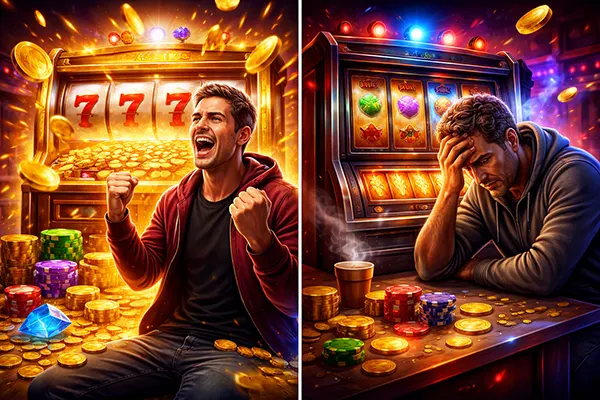
The main risk associated with Buy Bonus lies in the size of individual wagers. Unlike regular spins, each purchase represents a large financial commitment, which increases the impact of variance on a player’s balance.
Repeated use of Buy Bonus can lead to rapid bankroll decline, especially in games with highly volatile bonus rounds. Even if the RTP is theoretically fair, short-term outcomes may produce consecutive losses that are difficult to recover from.
Another important factor is psychological pressure. Large stakes per round can influence decision-making, leading players to chase losses or abandon planned limits. This effect is particularly noticeable in fast-paced sessions where multiple bonuses are purchased in succession.
Common Mistakes Players Make with Buy Bonus
One frequent mistake is overestimating the consistency of bonus payouts. While promotional materials often highlight big wins, the majority of bonus rounds return less than their cost, especially in high-volatility slots.
Another issue is ignoring bankroll management. Buying bonuses without adjusting bet size relative to total funds can result in a few unsuccessful rounds consuming the entire budget.
Finally, many players treat Buy Bonus as a shortcut to guaranteed excitement without considering the statistical reality. In practice, it is simply another way of accessing the same probability structure, but with higher stakes and faster outcomes.